Health and Safety Policy for Gardeners New Cross
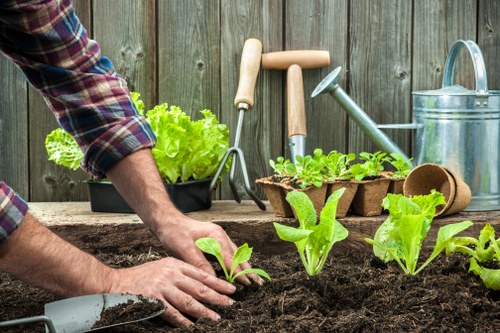 Gardeners New Cross operates with a clear commitment to health, safety, and responsible working practices on every site. This policy sets out how risks are identified, reduced, and managed so that garden maintenance, planting, pruning, and outdoor clean-up work can be carried out safely and efficiently. Our approach is practical, consistent, and designed to protect workers, clients, visitors, and the surrounding environment.
Health and safety is not treated as a separate task; it is part of every stage of the service. From the first site assessment to the final tidy-up, Gardeners in New Cross follow safe methods, use suitable equipment, and keep work areas organised. We aim to prevent accidents before they happen by making careful decisions, maintaining clear communication, and setting sensible working standards.
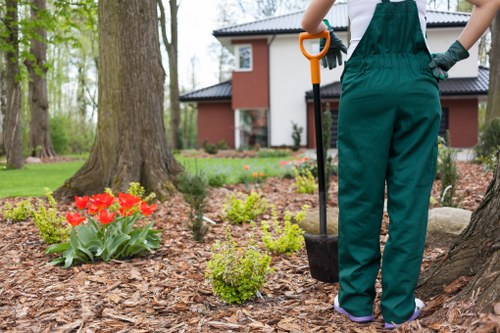 The purpose of this policy is to explain the basic principles that guide our work. It covers safe use of tools, handling of materials, awareness of hazards, and the importance of personal responsibility. Whether the job involves hedge cutting, lawn care, weeding, or seasonal planting, the same safety-first expectations apply across all tasks.
Risk management begins with observation. Before work starts, the area is checked for potential hazards such as slippery ground, uneven surfaces, broken glass, hidden obstacles, overhead obstructions, or unstable structures. If a risk is identified, the work is adjusted to reduce exposure. For example, tools may be repositioned, access routes may be cleared, or certain tasks may be postponed until conditions improve.
All equipment used by our New Cross gardeners must be in suitable condition and used only for its intended purpose. Blades, trimmers, mowers, ladders, and hand tools are inspected before use, and damaged items are removed from service until they are repaired or replaced. Safe operation depends on proper handling, suitable footwear, appropriate clothing, and a clear understanding of the task being completed.
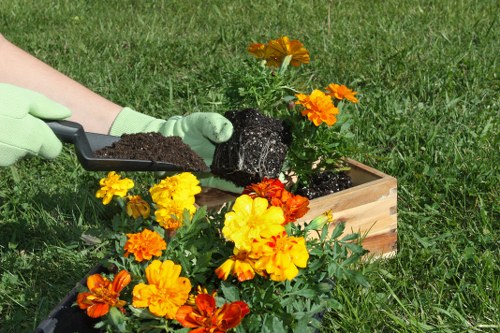 Special attention is given to manual handling. Moving soil bags, plant containers, rubble, or garden waste can place strain on the body if done incorrectly. To reduce injury, heavy items are lifted using safe technique, loads are split where practical, and two-person handling is used when needed. The goal is to protect staff from strains, slips, and overexertion while keeping the work moving at a steady pace.
Training and supervision are central to our safe-working culture. Team members are expected to understand the correct use of tools, recognise common outdoor hazards, and follow the agreed method for each type of job. New staff or temporary workers are introduced to essential safety rules before they begin work, and more complex tasks are supervised where necessary.
Personal protective equipment, or PPE, is used when the task requires it. Depending on the work involved, this may include gloves, protective eyewear, ear protection, sturdy footwear, or weather-appropriate clothing. PPE is not a replacement for safe practice, but it adds an important layer of protection when working with cutting tools, debris, soil, or organic materials.
Environmental conditions are also taken seriously. In hot weather, additional breaks, hydration, and sun protection may be needed. In wet or icy conditions, surfaces can become hazardous, so work may be delayed or re-planned. During periods of strong wind, unstable branches and flying debris can create extra risk, particularly when trimming or clearing vegetation. The decision to continue or pause work is always made with safety in mind.
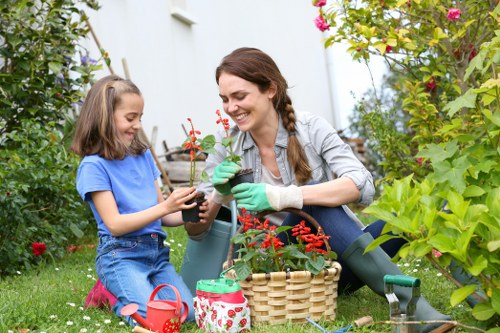 Good site organisation helps prevent incidents. Tools are stored safely when not in use, waste is collected promptly, and pathways are kept as clear as possible. Where public access is nearby, extra care is taken to separate working areas from general movement. This reduces the chance of trips, collisions, or accidental contact with equipment.
Accident reporting is encouraged so that even minor incidents can be reviewed and understood. If something goes wrong, it is recorded, assessed, and used to improve future practice. Near misses are also important because they highlight weaknesses before they lead to harm. This learning process supports continuous improvement in the way garden care in New Cross is delivered.
We also recognise the importance of chemical safety where products are used. Any fertilisers, weed treatments, or cleaning substances must be handled according to their instructions and stored responsibly. Mixing products without guidance, using more than required, or applying them in unsuitable conditions can create avoidable risk. For that reason, product use is limited, controlled, and always tied to the specific needs of the job.
Protecting the wider environment is part of the same duty of care. Waste is separated where possible, green material is managed responsibly, and work is planned to avoid unnecessary disturbance to nearby plants, wildlife, and soil structure. A safe garden service should also be a considerate one, and careful working methods help achieve both aims.
 This policy applies to all New Cross gardening services carried out by our team, regardless of scale or season. Everyone involved in the work is expected to cooperate with safety rules, communicate concerns early, and act with common sense at all times. By keeping standards clear and practical, Gardeners New Cross can provide reliable outdoor maintenance while reducing risk and maintaining a safe working environment for all.